
Understanding Credit & Credit Scores
Adult Learners
Credit
Credit can be a beneficial tool, when used responsibly. Many people can’t buy a car, home or other big-ticket item without using credit. The following tips will help you build a positive credit record and maintain a solid credit rating.
Build a Positive Credit Record
Establishing a solid credit history is crucial as it lays the foundation for various financial opportunities. A good credit score can unlock doors to better interest rates on loans, more favorable rental terms, and even certain job opportunities.
The sooner you begin establishing credit, the better. Length of credit history is a factor in credit score calculations, so having a longer history of responsible credit use can be beneficial.
Here are key strategies to build and maintain good credit:
- Apply at a local store. Local businesses may be more willing to extend credit to someone without a credit history, although these cards typically have lower limits and higher interest rates.
- Apply for a secured credit card. This type of card requires you to deposit money as collateral for your line of credit. Your credit limit will typically be 50 to 100 percent of your deposit. Some secured credit cards charge application and processing fees, and many charge a higher interest rate than traditional cards, so compare your options before applying. By using the card responsibly and making on-time payments, you can establish a positive payment history, which is reported to credit bureaus and helps build your credit score.
- Talk to your bank or credit union. If you’ve successfully managed a checking and/or savings account, your financial institution may have products available that could help you build a positive credit history.
- Seek a co-signer. A cosigner, often a trusted family member or friend, assumes legal responsibility for the debt if you fail to repay it. This can increase your chances of being approved for a loan or credit card, especially if the cosigner has a good credit history.
After you’ve proven your creditworthiness by consistently paying your bills on time and in full, major credit card issuers may be more willing to extend credit to you.
Choose the Right Tools
Consumers often choose a credit product based on clever marketing, like cash back rewards or a low introductory rate. Unfortunately, introductory rates go up over time, and if you haven’t paid the balance in full before it happens, you’ll pay more for credit you’ve already used.
When shopping for a credit card, choose one that:
- Doesn’t charge an annual fee;
- Offers a low fixed interest rate; and
- Provides a clear explanation of fees for late payments and courtesy services, like cash advances and balance transfers.
Before you apply, compare credit cards online through websites like BankRate.com and CreditCards.com.
If you already have a credit card but want a better interest rate, ask your creditor to match lower rates offered by competitors. If you have a positive payment history, chances are they’ll knock off as many points as possible to keep your business. If necessary, speak to a manager. If the creditor won’t agree, consider closing the account, paying the remaining balance and applying for a card with a lower interest rate.
Review Your Accounts
Carefully read the fine print on your credit card agreement. Credit terms can change, so monitor your monthly statements and call your creditor immediately if you have questions or concerns. Also, check in with the company now and then to ensure you’re paying the lowest possible interest rate. Making payments on time and managing your credit responsibly may help you qualify for a lower rate.
It's also important to monitor your credit report regularly by contacting the major consumer reporting agencies.
AnnualCreditReport.com will provide a free copy of your credit report as required by the Fair Credit Reporting Act. Equifax, Experian and TransUnion will provide additional copies of your credit report and your credit score for a small fee.
Maintain Your Credit History
Once you’ve developed a favorable credit history, strive to maintain it. Your credit score is based on the information found in your credit report and is the tool used by lenders to determine the likelihood that you'll repay money you borrow. The FICO score is the most commonly used, and ranges from 300-850; a higher score means you’ll qualify for lower interest rates.
Your FICO score is based on five general categories:
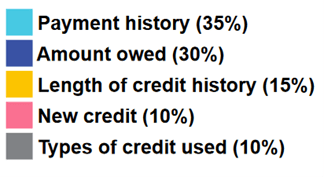
The best way to maintain or boost your score is to pay your bills on time and in full, avoid using all your available credit and limit new lines of credit. To learn more, visit MyFICO.com.